The AWD vs RWD debate has raged for decades. Here is a data-driven look at each system with real-world evidence from BB Motorsport.
Traction vs Power Delivery
AWD distributes engine torque across four contact patches instead of two, maximising traction during acceleration. RWD has the advantage of simplicity and lower weight, which can translate to better handling balance.
Launch Comparison
A 1000hp RWD car will struggle to put power down from a standstill. A 1000hp AWD car can launch with all four tyres hooked up, dramatically reducing 0-100 times. In hillclimb racing with standing starts on uphill gradients, this advantage is amplified.
Track vs Street Differences
On circuit, RWD cars rotate more naturally. AWD cars tend to understeer at the limit but can be managed with suspension tuning. On the street, AWD provides a significant safety margin in wet or cold conditions, making high power more accessible year-round.
The BB Motorsport GT-R Case Study
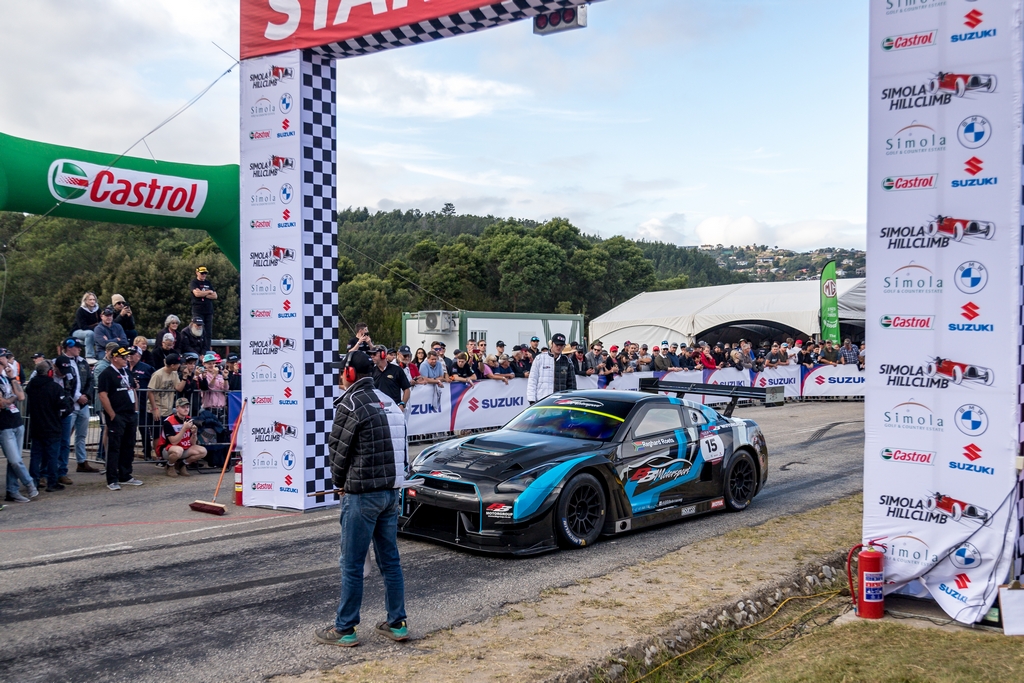
Our 1200hp GT-R R35 is living proof of the AWD advantage in hillclimb racing. At the 2018 Simola Hillclimb, the GT-R’s AWD launch and corner exit traction were decisive factors in its winning run. MaxxECU engine management provides the traction control sophistication to deploy all 1200 horsepower effectively.
The Verdict
- Drag racing — AWD advantage at high power levels
- Hillclimb — AWD dominates
- Circuit racing — Both competitive; setup matters more
- Street — AWD provides more usable power
- Drift — RWD is the only choice
Want to discuss your build? Contact us or call 060 991 9840.